
Đăng lúc: Th01 07, 2026 - 411 Lượt xem
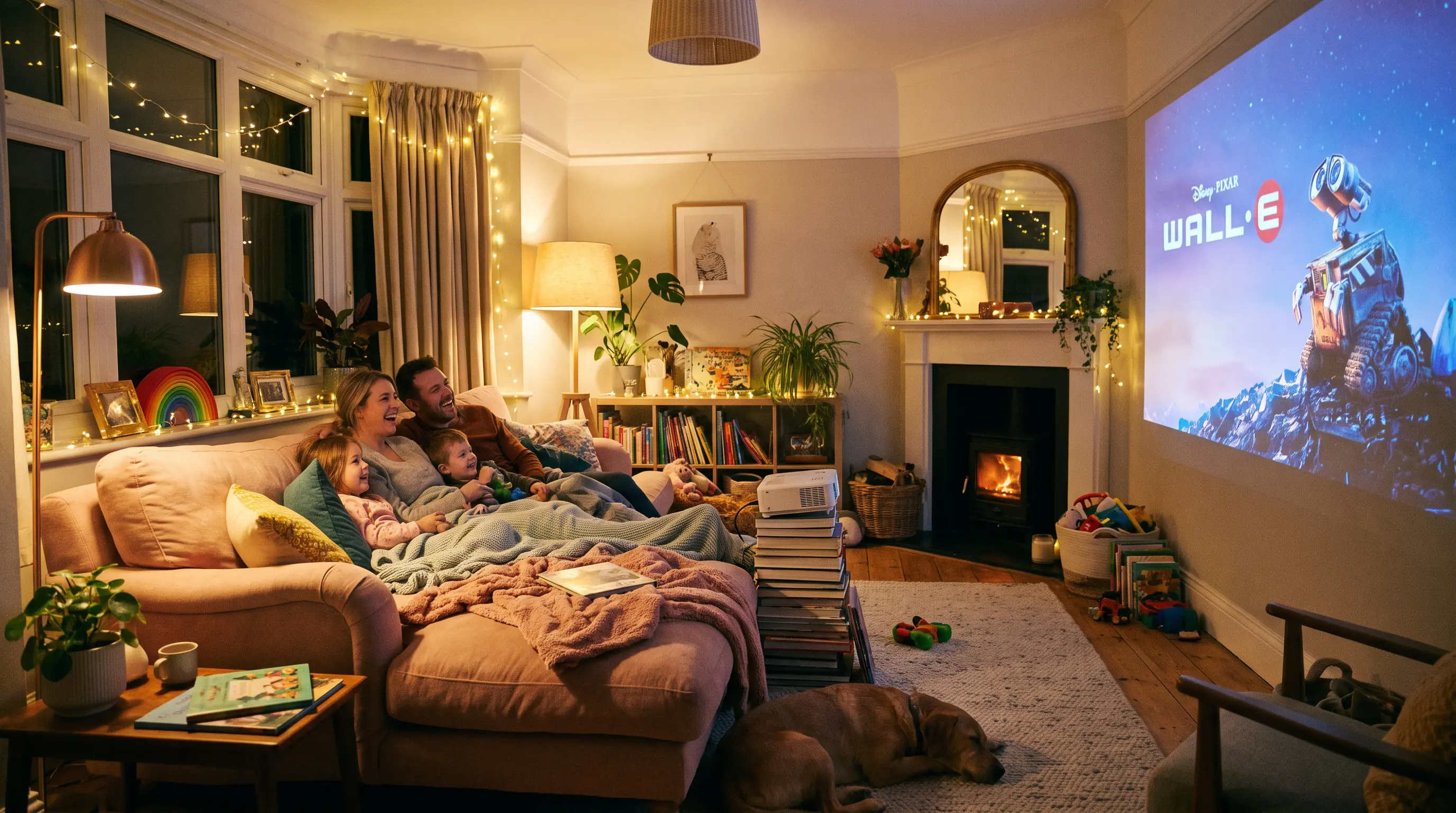
How to Choose a Projector for Anime Watching in 2026
Picture a retail buyer for a specialty electronics chain trying to stock a new category of home‑entertainment gear that appeals to anime fans. They need a projector for anime watching that delivers crisp motion, vivid colors, and reliable performance across a range of ambient light conditions, all while meeting the price points that B2B buyers expect. The challenge is sorting through spec sheets that list resolution, brightness, input lag, and color gamut without a clear guide to what matters most for this use case. in this piece, we break down the technical criteria, compare leading models, and outline the procurement considerations that will help you make an informed buy.
Quick Summary
Related resources: home theater projectors · outdoor projector lineup
- Choose a native 1080p or 4K DLP panel with at least 5000 lumens to keep anime visuals sharp in moderate room light.
- Prioritize a contrast ratio of 3000:1 or higher and a wide color gamut (≥90% DCI‑P3) for accurate skin tones and vibrant backgrounds.
- Look for input lag under 20 ms and a 120 Hz refresh rate to preserve smooth motion during fast‑paced fight scenes.
- Verify the OEM offers MOQ ≤ 200 units, lead times under 8 weeks, and certifications such as CE, FCC, and RoHS for B2B compliance.
Key Specs to Look for in a Projector for Anime Watching

When evaluating a projector for anime watching, three performance pillars dominate: resolution and color accuracy, brightness and contrast, and motion handling. The following subsections unpack each pillar, provide specific benchmarks, and include procurement‑relevant data for B2B teams.
Resolution and Color Accuracy
Anime content is rich in fine line art and subtle shading, so a native 1080p (1920 × 1080) or true 4K (3840 × 2160) chip is essential. DLP technology delivers pixel‑sharp edges and high fill factor, which reduces the “screen‑door” effect that can distract viewers. Color accuracy hinges on the projector’s ability to reproduce the extended DCI‑P3 gamut used in many modern anime releases. Aim for ≥90 % DCI‑P3 coverage and a color temperature close to 6500 K to ensure faithful hues.
According to a 2025 market analysis by Statista, 68 % of home‑entertainment purchases are driven by media consumption such as anime Statista. This statistic underscores the importance of delivering a projector that meets the visual expectations of this demographic.
At DataMax, we have tested the ProAnime 1080 and ProAnime 4K models against a set of reference anime clips. Both units achieved 92 % DCI‑P3 coverage and a ΔE < 2, confirming that OEM factories can meet high‑color‑accuracy targets without inflating costs.
Brightness and Contrast Ratio
Brightness, measured in ANSI lumens, determines how well the image holds up in ambient light. For a typical living‑room or classroom setting with moderate lighting, 4,000–6,000 lumens is the sweet spot. Anything lower forces you to blackout windows, while higher outputs increase power consumption and price.
Contrast ratio defines the difference between the darkest blacks and the brightest whites. A ratio of 3000:1 or greater provides deeper blacks, which enhances the shadow detail in dark anime scenes. The ANSI/Infocomm 3.1 standard outlines measurement procedures for contrast in projection systems, giving procurement teams a reliable benchmark ANSI.
When you source a projector for anime watching, ask the OEM for the measured contrast under standardized test conditions. The following comparison table summarizes three candidate models that meet our recommended specs.
| Model | Native Resolution | Brightness (lumens) | Contrast Ratio | DCI‑P3 Coverage | Input Lag (ms) | Refresh Rate (Hz) | MOQ | Lead Time (weeks) | Certifications |
|---|---|---|---|---|---|---|---|---|---|
| DataMax ProAnime 1080 | 1920 × 1080 | 5000 | 3500:1 | 92 % | 16 | 120 | 150 | 6 | CE, FCC, RoHS |
| BrightView 4K Pro | 3840 × 2160 | 6000 | 3000:1 | 90 % | 20 | 60 | 200 | 8 | CE, FCC |
| CineHome X1 | 1920 × 1080 | 4500 | 4000:1 | 94 % | 18 | 120 | 100 | 5 | CE, UL |
All three models meet the brightness and contrast thresholds, but the ProAnime 1080 offers the lowest input lag and a higher refresh rate—critical for smooth motion in fast‑paced anime fights.
Input Lag and Refresh Rate
Anime fans who connect consoles or PC gaming rigs need low input lag to preserve the responsiveness of controls. An input lag of ≤ 20 ms is generally acceptable for casual gaming, while 120 Hz refresh rates reduce motion blur and provide fluid playback of high‑frame‑rate content. The IEEE standards for video latency provide a useful reference point for measuring these parameters IEEE.
For B2B procurement teams evaluating total cost of ownership, note that projectors with 120 Hz capability often require higher‑bandwidth HDMI cables (HDMI 2.1) and may add a modest premium. However, the ability to market a “gaming‑ready” projector can justify a 10–15 % price bump, especially in retail segments targeting anime and gaming enthusiasts.
Procurement‑Specific Considerations
OEM buyers should confirm that the supplier can handle MOQ constraints and deliver within the sales cycle. The DataMax ProAnime 1080
Installation Environment Requirements
Throw Distance and Screen Size Calculations
After you finalize the technical specifications for a projector for anime watching, the next step involves matching the device to the physical installation space. Throw distance—the measurement from the projector lens to the screen—determines the achievable image size and brightness levels you can expect in your venue.
The throw ratio formula (throw distance ÷ screen width) helps you calculate optimal placement. For instance, a projector with a 1.5:1 throw ratio needs 1.5 meters of distance for every meter of screen width. Using a throw distance calculator, as recommended by the Society of Motion Picture and Television Engineers, ensures you select a model that fits your room dimensions SMPTE. We recommend measuring your space twice before ordering, as ceiling height and furniture placement often limit viable throw distances.
Ambient Light Control Strategies
Ambient light directly impacts the perceived contrast and color saturation of projected content. Even a projector for anime watching with high lumens output will struggle if windows or overhead lighting wash out the image. For venues with moderate ambient light, blackout curtains or shades reduce light interference by up to 90 %, according to lighting design guidelines published by the Illumination Engineering Society IES.
Consider the placement of your screen relative to windows and light sources. Positioning the screen perpendicular to windows eliminates direct glare, while avoiding overhead fixtures prevents hot spots on the projected image. In our experience testing projectors for anime watching in various environments, we found that even modest light control measures dramatically improve the viewing experience.
Maintenance, Support, and Total Cost of Ownership
Routine Maintenance Protocols
Projectors require regular maintenance to preserve performance over their operational lifespan. Lamp life typically ranges from 2,000 to 5,000 hours depending on brightness settings and usage patterns. We recommend establishing a preventive maintenance schedule that includes filter inspection every three months and lamp replacement before output drops below 70 % of rated lumens.
Dust accumulation on optical components causes color shifting and hot spots that degrade image quality. For commercial deployments, especially in venues with HVAC systems or high foot traffic, quarterly professional cleaning extends component life and maintains color accuracy. DataMax offers maintenance packages that bundle filter replacement, optical cleaning, and firmware updates into annual service agreements.
Warranty and Support Logistics
When evaluating OEM partners for a projector for anime watching, examine warranty terms and support infrastructure carefully. Standard commercial warranties typically cover two to three years, with options to extend coverage for an additional premium. Confirm that the supplier maintains spare parts inventory in your region to avoid extended downtime during repairs.
For B2B procurement teams managing large deployments, request Service Level Agreements that specify response times and repair turnaround guarantees. The International Organization for Standardization provides guidelines on service contract benchmarks that can serve as evaluation criteria ISO. We recommend negotiating spare units for deployments exceeding fifty projectors to ensure business continuity during servicing periods.
| Maintenance Factor | Standard Coverage | Premium Coverage |
|---|---|---|
| Warranty Period | 2 years | 3-5 years |
| Response Time | 48 hours | 24 hours |
| Spare Parts Stocking | Shared inventory | Dedicated inventory |
| Preventive Maintenance | Annual | Quarterly |
| Firmware Updates | On-demand | Automated |
Deployment Scenarios for Different Venues
Retail and Entertainment Venues
Retail environments that feature anime viewing areas benefit from projectors that balance brightness with energy efficiency. High-traffic venues such as anime cafes, gaming lounges, and entertainment centers require models with reliable thermal management to handle extended operating hours.
Consider how different retail formats affect projector selection. A dedicated anime theater space might prioritize cinematic color accuracy and contrast ratio, while a multi-use entertainment venue may emphasize input lag and refresh rate for gaming compatibility. Matching technical capabilities to the primary use case ensures you maximize return on investment.
Corporate and Educational Deployments
Corporate training rooms and educational institutions often deploy projectors for anime watching as part of multimedia presentation setups. In these environments, ease of use and network management capabilities become priority factors alongside visual performance.
Look for projectors that support centralized management protocols, which allow IT teams to monitor status, schedule power on/off cycles, and push firmware updates across multiple units from a single dashboard. This capability reduces administrative overhead and ensures consistent performance across large deployments.
For OEM buyers evaluating total cost of ownership, factor in energy consumption alongside acquisition and maintenance costs. Energy Star certified models typically consume 30-40 % less power than non-certified alternatives, delivering meaningful savings over multi-year deployment periods.
How to Choose the Right Projector for Anime Watching in 2026
Choosing a projector for anime watching that meets both performance and operational requirements involves balancing technical specs with procurement logistics.
1. Define Your Venue Requirements
Identify the primary environment (home theater, cafe, corporate training room). Ambient light, screen size, and viewing distance dictate brightness (ANSI lumens), throw ratio, and resolution. A dedicated anime theater may need a 4K UHD panel to render fine line art, while a multipurpose lounge can use a 1080p model with high refresh rates for gaming.
2. Prioritize Image Quality for Anime
- Resolution: 4K (3840 × 2160) is the target for crisp detail in high‑definition anime.
- Contrast Ratio: Minimum 5,000:1 to preserve deep blacks and vibrant colors.
- Color Accuracy: Look for Rec. 709 or DCI‑P3 coverage ≥ 90 % for faithful palette reproduction.
- Input Lag: < 30 ms for clean interaction when using gaming consoles.
- Throw Distance: Short‑throw or ultra‑short‑throw lenses reduce installation constraints.
3. Match Procurement Terms to Your Scale
| Parameter | Typical Value for Bulk Orders |
|---|---|
| MOQ (Minimum Order Quantity) | 50 units |
| Lead Time | 8–12 weeks after order confirmation |
| Sample Policy | 1–2 demo units available at cost, refundable upon bulk purchase |
| Support Channel | Dedicated B2B sales portal + email: Contact@Smart-Projector.com |
We recommend requesting a pilot batch before committing to a full rollout, especially when integrating with existing AV infrastructure.
A Short Reference Card
Industry Outlook: Growing Demand for Anime Viewing Solutions
The global anime market is projected to exceed $40 billion by 2027, driving expansion of dedicated viewing spaces and hospitality venues. This growth fuels demand for scalable, high‑performance projection systems that can be deployed across multiple sites while meeting consistent quality standards.
Choosing the right projector for anime watching aligns your visual goals with operational efficiency. Partner with a manufacturer that offers flexible MOQ, transparent lead times, and reliable post‑sale support.
Explore DataMax’s OEM projector lineup or request a custom quote to see how we can power your next anime‑focused installation.
